Clear vision is vital for busy professionals and those with active lifestyles. While LASIK dominates the laser eye surgery landscape, PRK (Photorefractive Keratectomy) remains a trusted option for many patients. Surgeons continue to recommend PRK in specific situations due to its safety, effectiveness, and suitability for individuals who may not be ideal candidates for LASIK. Understanding its benefits can help you make an informed decision about your eye health.
What is PRK Laser Eye Surgery?
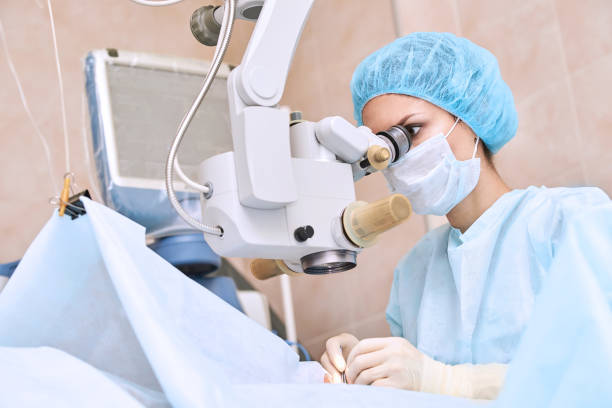
PRK is a type of laser eye surgery that reshapes the cornea to correct vision problems such as myopia, hyperopia, and astigmatism. Unlike LASIK, PRK does not involve creating a corneal flap. Instead, the outer layer of the cornea is gently removed, allowing the laser to reshape the underlying tissue.
Who benefits most: Individuals with thin corneas, high-risk occupations, or dry eye conditions.
Why Surgeons Recommend PRK
1. Suitable for Thin Corneas
PRK doesn’t require a corneal flap, making it safer for patients with thinner corneas.
Practical impact: Reduced risk of flap-related complications while still achieving excellent vision.
Who it benefits most: Patients unsuitable for LASIK due to corneal thickness.
2. Lower Risk of Flap Complications
Without a corneal flap, PRK avoids flap dislocation or infection risks.
Practical impact: Peace of mind for patients with physically demanding lifestyles.
Who it benefits most: Athletes, military personnel, or contact sport enthusiasts.
3. Effective for High Prescriptions
PRK can safely correct moderate to high myopia or astigmatism.
Practical impact: Offers excellent vision clarity for individuals who may not be LASIK candidates.
Who it benefits most: Patients with higher prescriptions seeking reliable correction.
4. Minimal Risk of Ectasia
Since PRK preserves corneal integrity, the risk of post-surgery corneal weakening is lower.
Practical impact: Long-term stability and safety for eye health.
Who it benefits most: Individuals concerned about structural eye risks.
5. Suitable for Dry Eyes
PRK avoids flap creation, which can exacerbate dryness compared to LASIK.
Practical impact: Less post-operative discomfort and reduced dryness.
Who it benefits most: Office workers or frequent screen users with mild dry eye issues.
6. Excellent Long-Term Results
PRK has been performed for decades with consistent, reliable outcomes.
Practical impact: Stable vision correction over the long term with minimal regression.
Who it benefits most: Anyone seeking a proven, durable solution for clear vision.
7. No Corneal Thickness Limitations for Flap Creation
PRK’s technique allows treatment even when corneal thickness is borderline.
Practical impact: Expands eligibility for laser eye surgery without compromising safety.
Who it benefits most: Patients with thin or irregular corneas.
8. Less Impact from Eye Trauma
Without a corneal flap, PRK patients are less vulnerable to trauma-related complications.
Practical impact: Safer for high-contact sports or accident-prone lifestyles.
Who it benefits most: Athletes, outdoor workers, and adventure enthusiasts.
9. High-Quality Night Vision
PRK can reduce halos and glare compared to some LASIK procedures.
Practical impact: Better night driving and low-light visual performance.
Who it benefits most: Professionals with late-night schedules and active night lifestyles.
10. Customisable Treatment Options
Modern PRK can incorporate wavefront-guided or topography-assisted technology.
Practical impact: Precise correction of vision imperfections for optimal clarity.
Who it benefits most: Patients with complex prescriptions or corneal irregularities.
FAQs About PRK Laser Eye Surgery
Q1: How long does recovery take after PRK?
PRK recovery is longer than LASIK, often taking 3–5 days for initial vision improvement and several weeks for full stabilization. Patients may experience mild discomfort, which can be managed with prescribed medications and eye drops.
Q2: Is PRK more painful than LASIK?
PRK may involve temporary discomfort during the first few days due to surface healing. However, pain is usually manageable with prescribed drops and medications, and most patients find the benefits outweigh temporary discomfort.
Q3: Can PRK correct high prescriptions?
Yes, PRK can safely correct moderate to high myopia and astigmatism. It is particularly useful for patients who are not suitable for LASIK due to corneal thickness or other factors.
Q4: Are the results of PRK permanent?
PRK offers long-lasting results, with stable vision correction for many years. Occasional age-related changes may occur, but most patients enjoy significant independence from glasses or contacts.
Q5: Who is the best candidate for PRK?
Ideal candidates include those with thin corneas, dry eyes, high-risk occupations, or individuals who cannot have LASIK for medical reasons. A thorough eye examination ensures suitability and optimal results.